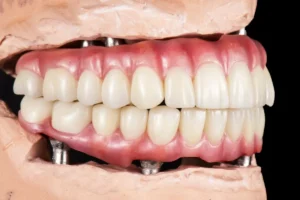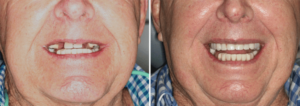
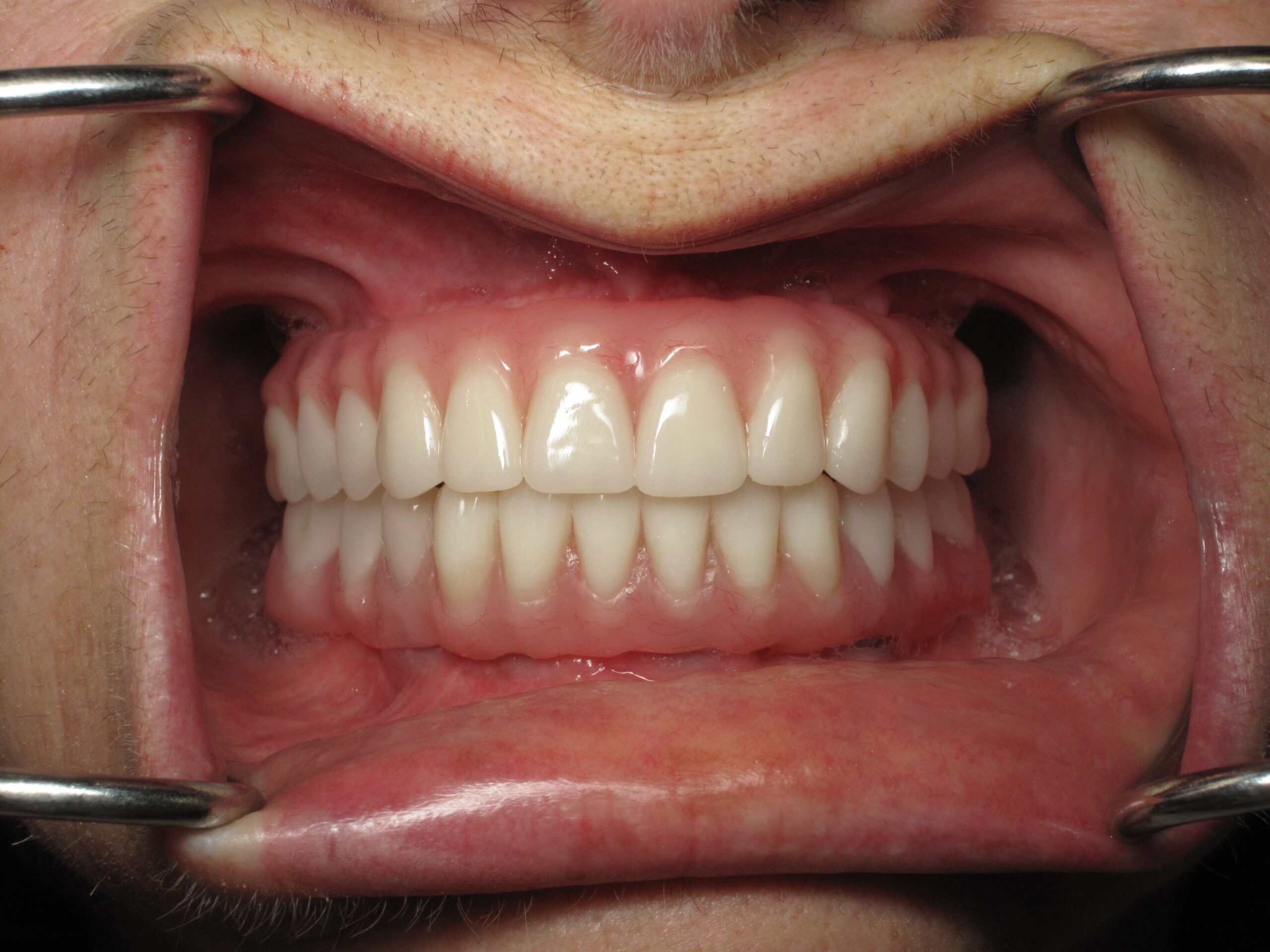
Getting All on X dental implants is a life-changing step toward restoring your smile, bite, and confidence. After surgery, patients receive temporary teeth while the implants integrate with the bone and the mouth heals.
Although these temporaries look and feel like real teeth, they require special care during the healing phase. Understanding the most common mistakes can help protect your implants and ensure the best possible long-term results.
Learn more about the treatment here:
https://allonxdentalimplants.co.nz/
Below are five common mistakes people make during the first two months with full-arch temporaries.
1. Eating Hard Foods Too Early
Temporary teeth may feel strong, but the dental implants underneath are still integrating with your jawbone. This biological process is essential for long-term stability.
Putting too much pressure on the implants too early can interfere with healing.
Foods to avoid during this stage include:
• Nuts
• Hard crust bread
• Biting directly into apples
• Steak or tough meat
• Ice
Instead, focus on softer foods and cut meals into smaller pieces to reduce chewing pressure.
This temporary adjustment helps protect the implants while the bone bonds with them.
2. Not Cleaning Under the Bridge Properly
With full-arch implants, food particles can easily collect under the bridge. If not cleaned properly, this buildup can lead to irritation and inflammation around the implants.
The best tools for cleaning include:
• Water flossers
• Superfloss or threader floss
• Interdental brushes
Daily cleaning underneath the bridge is essential to prevent peri-implant inflammation, a condition similar to gum disease that can affect implant health.
Good hygiene habits now will protect your implants for years to come.
3. Grinding or Clenching Your Teeth
Many people grind or clench their teeth, especially during sleep. During the early healing phase, this habit can place excessive pressure on implants that are still stabilising.
Night-time grinding may overload the implants before integration is complete.
If you notice signs of grinding or clenching:
• Try to reduce daytime clenching habits
• Discuss the issue with your dentist
• A night guard may be recommended later
Managing these habits helps ensure the implants remain stable during healing.
4. Ignoring Small Changes
After implant surgery, your mouth will go through normal healing changes. However, some symptoms should always be checked.
Contact your dental team if you notice:
• Swelling that does not improve
• A persistent bad taste
• Bleeding around implants
• Looseness in the bridge
• Sudden bite changes
Small issues are much easier to fix when caught early, so it is always better to check with your dentist if something feels unusual.
5. Thinking the Temporary Teeth Are the Final Teeth
The temporary bridge used after surgery is usually made from PMMA, a strong acrylic material designed for healing.
However, it is not intended for long-term heavy chewing.
Your final arch will typically be made from stronger materials such as:
• Zirconia
• Titanium-reinforced structures
Compared to the temporary bridge, the final teeth will be:
• Stronger
• More precise in fit
• More aesthetic
• Better polished and easier to clean
The temporary stage plays an important role in allowing the implants to heal properly before the final restoration is placed.
Protecting Your Investment
Full-arch dental implants are designed to restore both function and confidence. Taking proper care of your temporary teeth during the first few months greatly improves the chances of long-term success.
If you are considering this treatment or want to learn more about the process, visit:
https://allonxdentalimplants.co.nz/
A well-guided healing phase leads to a stronger, healthier, and more natural final smile. 😁🦷